
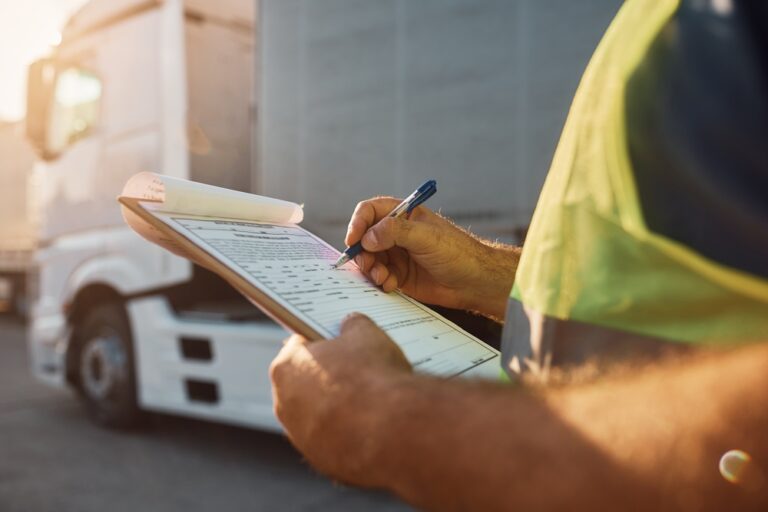
Freight shipping involves a lot of moving pieces, but one document sits at the center of it all: the bill of lading. If you’ve been asking “what is a bill of lading?”, or looking for a bill of lading explained in plain terms, you’re in the right place. In BOL freight shipping, this document does much more than list what’s on a truck—it acts as a receipt, a legal contract, and a record of ownership all in one.
For shippers, understanding the bill of lading requirements and how to fill one out correctly is essential. Even small errors can lead to delays, unexpected fees, or complications with claims. In this guide, we’ll break down everything you need to know, including the key details every BOL must include, the different types of bill of lading, and why getting it right the first time can make all the difference in your shipping process.
What Is a Bill of Lading?
At its core, a bill of lading is the master document of a freight shipment. It serves three essential roles all at once: a receipt for the goods, a contract between the shipper and carrier, and a document of title that outlines ownership.
From the moment your freight is picked up to the moment it’s delivered, the BOL travels with it. It acts as the official record of what was shipped, who shipped it, where it’s going, and under what terms. If something goes wrong during transit, the bill of lading is the first place anyone will look.
Why It’s Called a “Bill of lading”
The term “lading” comes from old maritime shipping language—it refers to cargo being loaded onto a ship. Bills of lading have been used in global trade for centuries, long before trucks and warehouses were part of the equation. While the format has evolved, the purpose remains the same: clearly document what’s moving and who’s responsible for it.
What Information Is on a Bill of Lading?
While the layout of a BOL can vary depending on the carrier or system used, the core details are consistent across the industry. Getting this information right is critical—small mistakes can lead to delays, added fees, or even rejected shipments.
Shipper and Receiver Information
Every bill of lading includes the full legal names, addresses, and contact information for both the shipper and the consignee (receiver).
This might seem straightforward, but it’s one of the most common sources of issues. A missing suite number or incorrect contact name can result in address correction fees or failed delivery attempts.
Shipment Details
This section outlines exactly what’s being shipped. It typically includes:
- Description of the goods
- Number of units, pallets, or pieces
- Total weight and dimensions
- Freight class (for LTL shipments)
- Declared value of the freight
Accuracy here is essential. These details directly affect how your shipment is handled and priced.
Carrier and Tracking Information
The bill of lading also identifies the carrier responsible for transporting the freight. Once the shipment is picked up, the carrier assigns a PRO number—this is their internal tracking number used to monitor the shipment throughout transit.
If your freight requires special handling (like liftgate service, temperature control, or hazardous material protocols), those instructions should also be clearly noted on the BOL.
The 3 Different Types of Bill of Lading
Not all bills of lading are the same. The type you use depends on the nature of your shipment and how ownership or delivery is structured.
- Straight Bill of Lading
This is the most common type used in domestic freight shipping. It’s non-negotiable, meaning the shipment can only be delivered to the specific consignee listed on the document.
For most standard shipments, this is the default option.
- Order Bill of Lading
An order BOL is negotiable, which means ownership of the goods can be transferred while the shipment is still in transit. This type is more common in international shipping or situations involving financing, where goods may be bought and sold before delivery.
- Electronic Bill of lading (eBOL)
As the industry becomes more digital, electronic bills of lading are becoming increasingly common. These are digital versions of traditional paper documents and offer several advantages:
- Reduced risk of lost or damaged paperwork
- Faster processing at pickup and delivery
- Easier sharing between shippers, carriers, and brokers in real time
For many businesses, switching to eBOLs is a simple way to improve efficiency and reduce administrative friction.
Why the Bill of Lading Matters
It’s easy to think of the BOL as just another form, but it plays a critical role in nearly every part of the shipping process.
It’s Your Legal Protection
The bill of lading is a binding contract between you and the carrier. If there’s ever a dispute—whether it’s about damaged goods, missing items, or delays—the BOL is the document everything is measured against.
It Determines How Your Freight Is Priced
For LTL (less-than-truckload) shipments, the information listed on the BOL (especially weight and freight class) directly impacts your rate.
If the carrier finds discrepancies during transit, they may reclassify your shipment. And in most cases, that reclassification comes with higher charges.
It’s Required at Every Stage
The bill of lading isn’t just used once, it’s referenced throughout the entire shipping process.
It’s required for:
- Carrier pickup authorization
- Customs clearance for international shipments
- Proof of delivery confirmation
- Filing freight claims
- Auditing and record-keeping
In short, it’s the one document that ties everything together.
Common Bill of Lading Mistakes to Avoid
The good news? Most BOL errors are simple and preventable. The bad news? Even small mistakes can get expensive quickly.
Here are some of the most common Bill of Lading issues to watch for:
- Incorrect or incomplete addresses, leading to delays and correction fees
- Wrong freight class, resulting in reclassification charges
- Inaccurate weight or dimensions, often increasing your final cost
- Missing special handling instructions for fragile or regulated freight
- Underdeclared freight value, limiting claim reimbursement if something goes wrong
- Mismatched information between the BOL and packing list, creating confusion at terminals or customs
If the information on your bill of lading doesn’t match the physical freight, something will go wrong and it will likely cost you. Taking a few extra minutes to double-check your BOL before pickup can save hours (and dollars) later.
Get Your Bill of Lading Right the First Time
The bill of lading is more than just paperwork, it’s the single most important document in freight shipping. It protects your shipment, determines your cost, and ensures you have the documentation needed if something goes wrong.
Getting it right isn’t complicated, but it does require attention to detail.
At FLI Transportation & Logistics, every shipment includes a dedicated account manager who reviews your bill of lading as part of our standard service at no extra cost. That means fewer errors, smoother deliveries, and more confidence every time you ship.
Have questions about your bill of lading or your next shipment? Contact FLI today.