When your freight fills a truck or needs to move without sharing space, FLI’s truckload shipping services deliver. Dedicated capacity, direct routing, and a team that manages every detail from pickup to delivery.
Whether it’s a one-time move or a recurring lane, FLI connects your freight with the right equipment and the right carrier. We manage every detail—from origin to final delivery—so nothing falls through the cracks. One point of contact. Full visibility. No surprises.
Truckload shipping (TL) means your freight exclusively occupies an entire trailer. There are no other shippers sharing the space, no additional stops along the route, and no freight-class calculations. Your load moves directly from origin to destination.
It’s the preferred option for shipments that fill or nearly fill a standard trailer, for time-sensitive, high-value freight, or for shippers who need consistent, dedicated capacity on a regular lane.
From dry van to over-dimensional loads, FLI manages every truckload mode across North America with the same dedicated broker support you expect.
Your personal FLI truckload broker works closely with you and your contacts at both origin and destination to ensure nothing is overlooked—because even one missed detail can derail an entire shipment.
Every shipment is different, and so is the market. We actively source and negotiate rates on your behalf for each load to ensure you’re getting competitive pricing and reliable capacity.
FLI's strict carrier selection policy means every partner passes safety, insurance, and financial stability reviews before touching your freight.
FLI doesn't charge for the essentials. Pre-negotiated rates and full transparency on what you're paying — before you commit to a shipment.
Founded in 2003, FLI was built by shippers that understand how freight impacts your business.
FLI manages every mode of international freight with a dedicated account management team here to support you.
The backbone of truckload freight. FLI secures dry van capacity across all major North American lanes with vetted, performance-rated carriers.
From food-grade to pharmaceutical, we manage reefer shipments with the precision and compliance your cargo demands.
Lumber, steel, machinery, and more. Our flatbed and step deck network handles standard and oversized loads across all 48 states and into Canada.
When time is the priority, our expedited team services keep your freight moving around the clock without stopping.
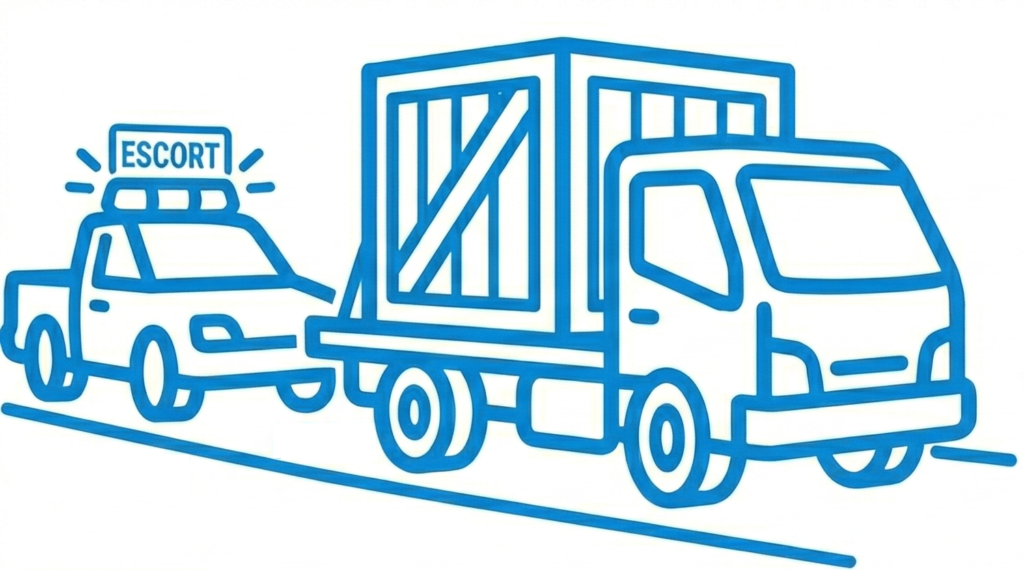
Wide loads, tall loads, heavy hauls—FLI coordinates all permitting, routing, and escort requirements so your project stays on schedule.

A combination of truck and rail is a reliable choice for shippers, keeping your cargo in the same container throughout the journey.
From quote to delivery, FLI handles the complexity so you don’t have to.
Provide your origin, destination, weight, commodity, and special handling requirements to your Account Manager.
FLI will compare options and provide the best TL rate.
A dedicated Truckload Broker will monitor your shipment and ensure delivery.
Your dedicated FLI account team is your single point of contact for everything — from quoting and booking to issue resolution and reporting. We stay proactive so problems get solved before they reach you.
Use our TotalVision (TMS) to view and compare multiple carrier rates and transit times. In addition to tracking, you can also pull comprehensive reports for all LTL, FTL, and parcel shipments.
Never over pay, get proactive freight invoice auditing and payment management on every shipment.
FLI manages the entire freight claims process on your behalf. From documentation to resolution, we advocate for you so you're not left navigating carrier disputes alone.
Assurance that all partner carriers are held to strict insurance safety requirements and standards.
Special projects and customized needs, no problem. Let our team show you how we can handle any freight need.
FLI’s truckload clients include manufacturers shipping finished goods, distributors moving product to fulfillment centers, retailers managing inbound supply chains, and businesses with seasonal or project-based freight needs. If you have consistent volume or a one-time move that requires dedicated capacity, FLI has the network and the experience to handle it.
Truckload shipping dedicates an entire trailer, or a significant portion of one, to a single shipper's freight. Unlike LTL, your goods don't share space with other shippers, which means fewer touchpoints, lower damage risk, and typically faster transit. Truckload is generally the right choice when your shipment weighs more than 10,000 to 15,000 pounds, fills a significant portion of a 53-foot trailer, requires expedited transit, carries high value or fragility, or involves sensitive commodities where co-loading is undesirable. The FLI Account Management team can help you determine the right shipping option for your freight.
These are three distinct modes that sit between standard LTL and a dedicated full truckload:
Full Truckload (FTL): You book and pay for the entire trailer regardless of how much freight you're moving. Best for large shipments, time-sensitive moves, or high-value cargo.
Partial Truckload (PTL): Your freight shares a trailer with one or a small number of other shippers' loads, but unlike LTL, there are no terminal stops. Freight moves directly from origin to destination. Best for shipments in the 5,000–20,000-pound range that don't justify a full truck.
Volume LTL: Technically an LTL rating but priced at a negotiated rate for large pallets or heavy LTL loads. It moves through standard LTL networks. Best for shipments just above the LTL threshold, but want carrier network coverage.
Truckload rates are driven by real-time market conditions, with pricing either sourced on the spot market or secured through contracted agreements. The FLI truckload broker team actively goes to market on each load to ensure competitive pricing and reliable capacity.
Truckload rates are primarily driven by supply and demand in the spot market or locked in advance through contracted pricing. Key factors include:
FLI books across all major equipment types:
Dry Van: The standard enclosed 53-foot trailer. Used for palletized goods, boxed freight, and any commodity that doesn't require temperature control or an open deck.
Refrigerated (Reefer): Temperature-controlled trailers for perishable food, pharmaceuticals, chemicals, and other temperature-sensitive freight.
Flatbed: Open-deck trailers for oversized, heavy, or awkwardly shaped freight such as lumber, steel coils, construction materials, and machinery.
Step Deck / Lowboy: Specialized flatbed equipment for tall or extremely heavy freight that exceeds standard height limits.
Box Truck / Sprinter: Smaller vehicles for urban, expedited, or last-mile moves that don't require a full 53-foot trailer.
For standard dry van moves, FLI Truck Brokers can often arrange same-day or next-day pickup depending on the lane and available capacity. Expedited and time-critical moves can be arranged within hours through our network of team drivers and hotshot carriers. Specialized equipment (reefer, flatbed, oversized) may require 24 to 48 hours of lead time to secure the right asset. The more lead time you can provide, the more carrier options and competitive rates we're able to offer. The FLI account management team prioritizes speed and communication to ensure you always know status and timing.
Service failures happen even with reputable carriers. When a pickup is missed or a delivery is late, notify your FLI Account Manager immediately. We'll contact the carrier to determine the cause and revised timing, escalate through our carrier relations team if necessary, and document the failure in our carrier scorecard system. For load-dependent or time-critical shipments, we can also arrange a backup carrier to recover the freight. Patterns of service failures are tracked, and carriers with chronic performance issues are removed from our preferred network.
Standard truckload shipments require a Bill of Lading (BOL), which serves as the contract of carriage between the shipper and carrier. The BOL should include shipper and consignee names and addresses, commodity description, piece count, weight, any special instructions, and reference numbers. For cross-border moves into Canada or Mexico, additional customs documentation is required, including a commercial invoice and USMCA certificate of origin if applicable. Hazmat shipments require DOT-compliant shipping papers and proper labeling. Your FLI Account Manager can assist with BOL preparation and ensure all required documentation is in order before dispatch.