
Expanding into international markets is a big step for any business. It opens the door to new customers, new opportunities, and long-term growth. But when it comes to logistics, global shipping can feel overwhelming at first.
Between transportation options, documentation requirements, and customs regulations, there are a lot of moving parts. The good news is that once you understand the basics, international shipping becomes much more manageable.
This international freight shipping guide breaks down what you need to know in a clear, practical way, so you can approach global shipping with confidence, not hesitation.
How International Freight Shipping Works
International shipping is more than just moving freight from one place to another. It’s a coordinated process that involves multiple stages, partners, and checkpoints along the way.
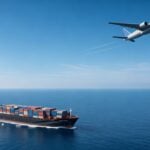
A typical shipment starts with pickup at your facility, followed by transport to a port or airport. From there, it’s loaded for international transit—either by ocean vessel or aircraft. Once it arrives in the destination country, it must go through customs clearance before final delivery.
Each step depends on accurate documentation and clear communication between all parties involved. That’s why many businesses rely on international freight services to manage the process and ensure nothing gets overlooked.
The Main Modes of International Freight Transportation
Choosing the right method is a key part of deciding how to ship freight internationally. Your decision will depend on factors like shipment size, delivery timeline, and overall cost. Most international freight moves through one of three primary modes:
Ocean Freight
Ocean freight is the most common option for international shipping, especially for large or heavy shipments. Goods are transported in containers via cargo ships, making it a cost-effective solution for high-volume freight. While transit times are longer, the cost savings can be significant, especially for businesses shipping regularly.
When to use ocean freight:
- You’re shipping large or heavy goods
- Cost is a primary concern
- Transit time is flexible
- You’re moving bulk or routine international orders
Air Freight
Air freight is the fastest way to move goods internationally. It’s ideal for time-sensitive shipments, smaller loads, or high-value products that need to arrive quickly. While it comes at a higher cost, the speed and reliability often make it worthwhile.
When to use air freight:
- Speed is critical
- You’re shipping smaller or high-value items
- You need consistent, predictable delivery timelines
- You’re working with tight deadlines
Ground (Cross-Border) Freight
For shipments between neighboring countries, such as the U.S., Canada, and Mexico, ground transportation is an efficient option. Cross-border freight typically moves by truck and offers a strong balance between cost and speed for regional shipments.
When to use ground (cross-border) freight:
- You’re shipping between neighboring countries
- You need a balance of cost and transit time
- Your shipment doesn’t require ocean or air transport
- You’re moving freight regionally on a consistent basis
Key Terms Every Business Owner Should Know
Understanding a few key terms can make international shipping feel much more straightforward. These concepts come up frequently and play an important role in the process.
Incoterms
Incoterms define the responsibilities of buyers and sellers in international transactions. They clarify who is responsible for transportation, insurance, and customs clearance at each stage.
For example, FOB (Free on Board) and DDP (Delivered Duty Paid) outline very different responsibilities. Choosing the right Incoterm ensures everyone involved is aligned from the start.
Bill of Lading (BOL)
The Bill of Lading is one of the most important documents in shipping. It acts as:
- A receipt for the goods
- A contract between the shipper and carrier
- A record of ownership
Without a properly completed BOL, your shipment cannot move through the supply chain.
Commercial Invoice and Packing List
The commercial invoice outlines the value of the goods being shipped, while the packing list details the contents, dimensions, and weight of each shipment.
These documents are essential for customs officials to verify what’s being shipped and determine applicable duties and taxes.
Harmonized System (HS) codes
HS codes are standardized numerical classifications used worldwide to identify products in international trade.
Each product has a specific code that determines duty rates and regulatory requirements. Using the correct HS code is critical—errors can result in delays, fines, or incorrect charges.
The Documentation You’ll Need
Accurate documentation is the foundation of successful international shipping. Even small mistakes can lead to delays, so attention to detail is key.
Standard Documents for Most International Shipments
Most shipments require a core set of documents, including:
- Bill of Lading (BOL)
- Commercial invoice
- Packing list
- Export documentation (if required)
These documents provide the essential information needed to move your shipment and clear customs.
Documents That Vary by Country or Product Type
Additional documentation may be required depending on your shipment and destination.
This can include:
- Certificates of origin
- Import or export licenses
- Inspection certificates
- Product-specific compliance documentation
Requirements can vary widely, which is why working with experienced international freight services can help ensure your international freight customs documentation is complete and accurate before shipping.
Understanding Customs and Duties
Customs is often the most complex part of how to ship freight internationally, but it becomes much more manageable when you understand the process.
How Customs Clearance Works
When your shipment arrives in the destination country, customs authorities review all documentation and may inspect the goods. They verify that:
- The shipment matches the declared information
- All regulations are met
- Duties and taxes are properly calculated
Once approved, the shipment is released for final delivery.
Duties, Tariffs, and Taxes
Duties and tariffs are fees applied to imported goods based on their classification, value, and country of origin.
In addition, some countries apply taxes such as VAT or GST. These costs should be factored into your overall shipping strategy to avoid unexpected expenses.
Common Reasons Shipments Get Held at Customs
Delays at customs are often preventable. Common issues include:
- Incomplete or inaccurate documentation
- Incorrect HS codes
- Misdeclared shipment value
- Missing permits or certifications
Ensuring your international freight customs documentation is accurate and complete is one of the best ways to keep your shipment moving.
Why Working With a Broker Matters More Internationally
International shipping involves more complexity than domestic freight. From coordinating multiple transportation modes to managing customs requirements, there are many details that need to be handled correctly.
A freight broker helps streamline the process by:
- Coordinating carriers and transportation methods
- Ensuring documentation is accurate and complete
- Navigating customs requirements
- Providing visibility and updates throughout the shipment
Working with experienced international freight services gives you the support and expertise needed to move freight across borders with confidence.
FLI Transportation and Logistics offers reliable international freight services designed to simplify the process at every step. From preparing international freight customs documentation to coordinating delivery, our team ensures your shipments move efficiently and without unnecessary delays.
Contact FLI today to streamline your international shipping process and move your business forward with confidence.