
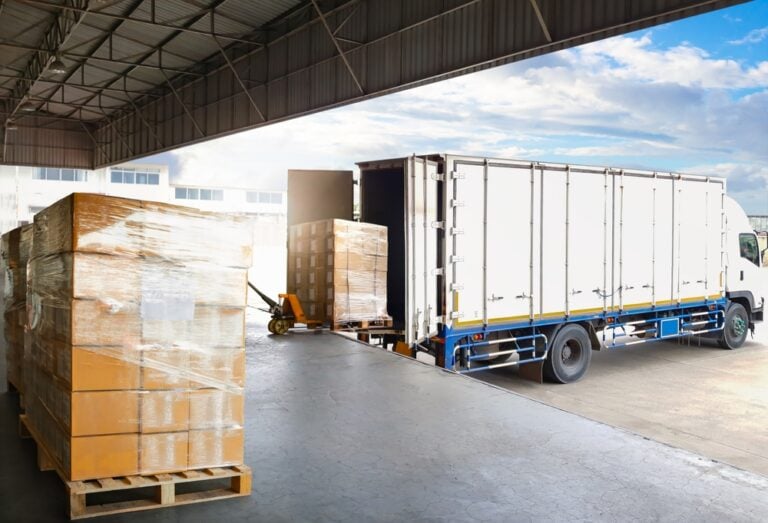
Choosing the right freight method is more than a logistics decision—it’s a key part of running an efficient, cost-effective operation. The difference between LTL vs FTL shipping can impact everything from your transportation budget to delivery timelines and product condition upon arrival.
If you’re comparing less than truckload vs full truckload, the core distinction is simple: are you sharing trailer space, or reserving the entire truck? From there, the right choice depends on your shipment size, timing, and overall business priorities. This guide breaks down both options so you can make a confident, informed decision.
What Is LTL Shipping?
LTL freight shipping (Less-Than-Truckload) is used when your shipment doesn’t require a full trailer. Instead of paying for unused space, your freight is combined with shipments from other businesses moving along similar routes.
Carriers consolidate multiple shipments into one truck, optimizing space and reducing costs for everyone involved. For businesses that ship smaller quantities, this approach provides a practical way to keep products moving without overextending budgets.
Because LTL operates through a network of terminals and transfer points, shipments may be handled more than once before reaching their destination. While this can slightly extend transit time, it allows for greater flexibility and cost efficiency.
The Key Benefits of LTL
LTL offers several advantages that make it a strong option for many businesses:
- Cost Efficiency: You only pay for the portion of the trailer your freight occupies
- Flexible Shipping Schedules: Ship as needed without waiting to build a full load
- Network Coverage: Established LTL networks provide consistent service across regions
- Inventory Management Support: Smaller, more frequent shipments help reduce storage needs
For businesses focused on balancing cost control with steady operations, LTL provides a reliable solution.
What Is FTL Shipping?
FTL freight shipping (Full Truckload) shipping means your freight fills or is assigned an entire trailer. The truck moves directly from pickup to delivery, typically without additional stops or transfers.
In the less than truckload vs full truckload comparison, FTL offers a dedicated shipping experience. Your freight is the only cargo on board, which simplifies handling and reduces the number of variables that can affect delivery.
This direct approach makes FTL especially valuable for larger shipments or situations where timing and security are critical.
The Key Benefits of FTL
FTL shipping is designed for efficiency and control:
- Faster Transit Times: Direct routes reduce delays and speed up delivery
- Minimal Handling: Freight stays on one truck, lowering the risk of damage
- Increased Security: Ideal for high-value, sensitive, or specialized shipments
- Consistent Scheduling: Fewer stops create more predictable delivery windows
For businesses that prioritize speed, reliability, and reduced risk, FTL is often the preferred option.
LTL vs. FTL – Key Differences at a Glance
When evaluating LTL vs FTL shipping, a few key differences define how each method operates:
- Shipment Size: LTL is best for smaller loads; FTL is suited for large or full shipments
- Cost Structure: LTL uses a shared pricing model; FTL is a flat rate for the entire truck
- Transit Time: LTL may take longer due to multiple stops; FTL typically moves directly
- Handling: LTL shipments are transferred more frequently; FTL shipments remain on one truck
Understanding these differences helps you align your shipping strategy with your operational needs.
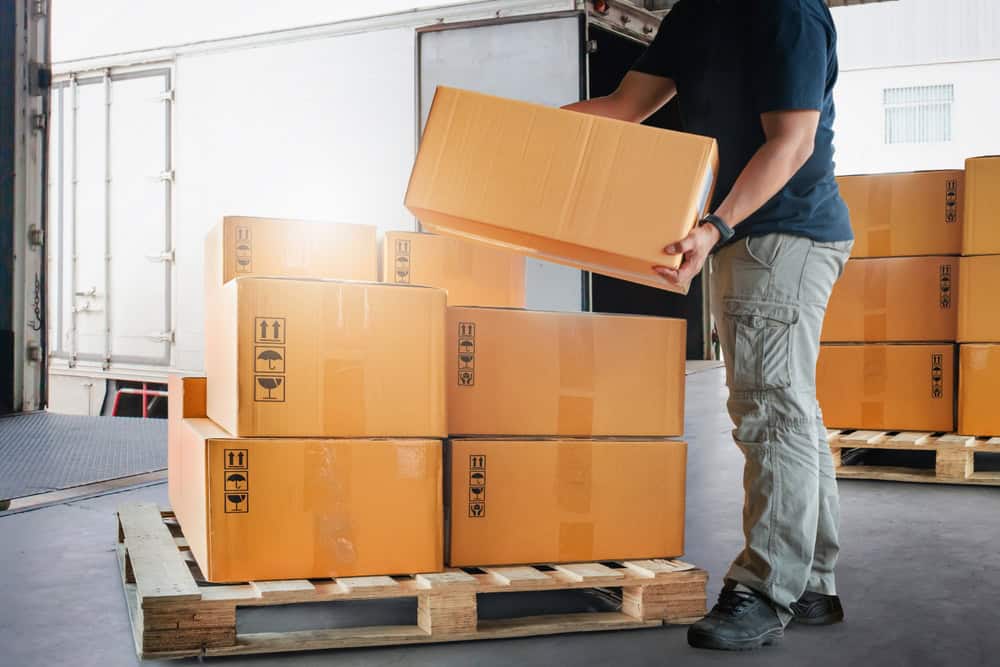
When LTL Makes Sense for Your Business
You Ship Regularly But in Smaller Quantities
If your business ships consistently without generating enough volume to fill a trailer, LTL freight shipping is a practical solution. It allows you to move goods efficiently without paying for unused capacity.
Cash Flow Is a Priority
Shipping costs can add up quickly. LTL helps control expenses by charging only for the space you use, making it easier to manage cash flow and allocate resources effectively.
Your Freight Isn’t Time-Critical
Because LTL shipments move through a network and may involve multiple stops, transit times can be slightly longer. If your delivery schedule allows for flexibility, the cost savings can make LTL the better option.
When FTL Makes Sense for Your Business
You Have a Large, High-Volume Shipment
When your freight fills most or all of a trailer, FTL becomes the more efficient choice. Paying for dedicated space eliminates the inefficiencies of shared shipping and streamlines the process.
Your Freight Is Fragile or High-Value
FTL reduces handling, which lowers the risk of damage. For delicate, oversized, or high-value shipments, this added protection is a significant advantage.
Speed and Predictability Are Non-Negotiable
If your shipment must arrive on a strict timeline, FTL provides the most direct and reliable solution. Fewer stops mean fewer opportunities for delays.
The Cost Factor: What Actually Drives Your Rate
Shipping rates are influenced by several factors, and understanding them can help you make more cost-effective decisions when choosing between LTL and FTL.
How LTL Rates Are Calculated
LTL pricing is more detailed because multiple shipments share the same trailer. Key factors include:
- Freight Class: Based on density, value, and handling requirements
- Weight and Dimensions: Larger or heavier shipments increase cost
- Distance: Longer routes typically result in higher rates
- Accessorial Services: Additional services such as liftgates or residential delivery
Because of these variables, LTL freight shipping rates can vary, but they also provide flexibility and cost savings for smaller shipments.
How FTL Rates Are Calculated
FTL pricing is generally simpler and is primarily based on:
- Mileage: Distance between pickup and delivery locations
- Fuel Costs: Fluctuations in fuel prices can impact rates
- Market Demand: Truck availability and shipping demand influence pricing
- Special Requirements: Refrigeration, oversized loads, or expedited shipping
For larger shipments, FTL often delivers better overall value despite the higher upfront cost.
Not Sure? Ask Yourself These Four Questions
If you’re still deciding between LTL vs FTL shipping, these questions can help clarify the best option:
- How large is my shipment?
Smaller shipments are typically better suited for LTL, while larger loads align with FTL.
- How quickly does it need to arrive?
If timing is critical, FTL is usually the better choice.
- How sensitive is my freight?
Fragile or high-value goods benefit from the reduced handling of FTL.
- What is my shipping budget?
If cost savings are the priority and timelines are flexible, LTL may be the right fit.
Choosing between LTL vs FTL shipping comes down to understanding your shipment size, delivery requirements, and budget. Both options play an important role in modern logistics, and selecting the right one can improve efficiency, reduce costs, and protect your products in transit.
By understanding the differences between less than truckload vs full truckload, businesses can make smarter, more strategic shipping decisions that support long-term growth.
If you’re still unsure when to use LTL shipping or whether FTL is the better option, FLI Transportation and Logistics can help. Our team provides tailored solutions for both LTL freight shipping and full truckload services—ensuring your freight moves efficiently, safely, and on schedule.
Contact FLI Transportation and Logistics today to find the right shipping solution for your business and keep your operations moving forward with confidence.