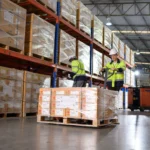

Freight damage is frustrating. Receiving a damaged shipment is bad enough, but having your freight damage claim denied can make the situation even more stressful. Plus, it often leaves you with unexpected costs to deal with.
The good news is that many freight claims are preventable. While every situation is different, certain issues can make it much harder to prove that a carrier was responsible for the damage.
In our experience, two reasons come up more than most: damage wasn’t noted at the time of delivery, or the freight wasn’t properly packaged for transport.
Knowing why carriers reject freight claims can help you avoid preventable mistakes and put you in a better position if your freight arrives damaged.
The Top 2 Reasons Why Carriers Reject Freight Damage Claims
1. Damage Wasn’t Noted at the Time of Delivery
One of the biggest mistakes a receiver can make is signing for a freight shipment without documenting all visible damage.
When a shipment arrives, it’s easy to sign the delivery receipt and move on, especially when the dock is busy, the driver is waiting, or you have several shipments to receive. But if there is visible damage and nothing is noted before signing, it can be much harder to prove that the damage happened during transit.
A clean delivery receipt may give the carrier a reason to argue that the freight was delivered in good condition and that the damage happened after delivery. That’s why documenting damage at the time of delivery is so important.
Before signing for a shipment, take a moment to:
- Inspect the freight and outer packaging for damage.
- Look for signs of crushing, punctures, tears, broken shrink wrap, or other issues.
- Note any visible damage on the delivery paperwork.
- Keep the notation simple. Writing “damaged” is better than signing without noting any issues at all.
- Take photos of the damaged freight and packaging before moving or unpacking it.
These quick steps can create an important record of the shipment’s condition when it arrives.
Additionally, keep in mind that not all damage is visible at delivery. That’s why it’s also important to inspect freight as soon as possible after delivery. If you discover other damage later, report it quickly and keep both the freight and original packaging until you know what the carrier needs for the claim to be settled.

2. Inadequate Packaging
Proper packaging doesn’t just help prevent freight damage. It can also play a big role in whether a damage claim is accepted or denied.
Carriers may reject a freight damage claim if they determine that poor packaging contributed to the damage. In other words, if the freight wasn’t properly protected to handle normal transportation and handling, the carrier could argue that the packaging, not its handling, was responsible for the damage.
That’s why it’s important to make sure freight is properly packaged before it ever leaves your facility.
Depending on what you’re shipping, this may mean:
- Using packaging that can protect your shipment during transportation
- Securing freight so it doesn’t shift or move
- Using the right pallets, crates, cushioning, or protective materials
- Protecting vulnerable areas from impact or compression
- Following applicable NMFC packaging guidelines
NMFC packaging requirements can establish specific standards for certain goods and packaging methods. If freight doesn’t meet applicable requirements, you may face a greater risk of both damage and claim disputes.
At the end of the day, package freight for the trip ahead and not just to get it out the door. Shipments are typically loaded, unloaded, moved through terminals, and handled multiple times before they reach their destination. Your packaging should be able to handle the normal conditions freight can experience along the way.
Other Common Reasons Freight Damage Claims May Be Rejected
The two issues above are the most common ones we handle at FLI, but other mistakes can also hurt your freight damage claim.
Missing or Incomplete Information
A freight claim needs documentation to support it. Depending on the shipment and the carrier’s requirements, this may include:
- The bill of lading
- Proof of delivery
- Photos of the damage
- Invoices showing the value of the goods
- Repair or replacement information
If important information is missing, incomplete, or doesn’t match up, the carrier may not have enough information to properly review the claim.
Keep your shipping and delivery records organized, and document damage as thoroughly as possible. A clear paper trail makes it easier to show what was shipped, what happened, and what the loss was.

The Claim Wasn’t Filed or Reported Quickly
Freight claims have deadlines, and the requirements can vary depending on the carrier, shipment, and situation.
Waiting too long to report damage or submit a claim can make recovery more difficult. It can also give the carrier a reason to question whether the damage happened during transit or after delivery.
If you discover damage, document it and start the claims process as soon as possible. Timely reporting is especially important with concealed damage because the shipment was originally accepted without visible damage being noted at delivery.
The Freight Was Discarded or Altered Too Soon
When freight is damaged, it may be tempting to throw away the damaged product or packaging right away. But doing that too soon can create problems during the claims process.
Depending on the situation, the carrier may need to inspect the damaged freight or determine its remaining value. The original packaging can also provide useful evidence about how the shipment was packed and the condition in which it arrived.
Keep all damaged freight and original packaging until the claim is fully settled and instructions have been received on next steps. Carriers may require the damaged product for salvage purposes, and if it’s no longer available, they have grounds to deny the claim.
There Isn’t Enough Evidence to Show Carrier Responsibility
Just because a shipment is damaged doesn’t always make it clear when or how the damage happened.
For example, questions may come up when:
- The freight’s condition at delivery wasn’t documented
- Damage wasn’t discovered until well after delivery
- There are no photos or other records showing the damage
- There’s a gap between delivery and when the damage was reported
When the timeline is unclear, carriers may question whether the damage happened during transit or after delivery.
This is another reason inspections, delivery notations, photos, and prompt reporting matter so much. The better you document the condition of the freight and when the damage was discovered, the easier it is to support your claim.

How to Prevent Freight Damage Claim Denials
While there’s no way to guarantee that every freight damage claim will be approved, these steps can help you avoid some of the most common problems:
- Inspect freight before signing the delivery receipt. Check for visible damage to the freight and its packaging.
- Note visible damage at delivery. Don’t sign a clean delivery receipt if you can clearly see damage.
- Take photos as soon as damage is discovered. Document the damaged freight, outer packaging, and anything else that may help support your claim.
- Keep your shipping documents. Save the bill of lading, proof of delivery, invoices, and other important records.
- Package freight for transport. Use the right protection and secure freight to reduce the risk of damage during normal handling.
- Follow applicable NMFC packaging guidelines. Make sure your packaging meets any relevant requirements for the type of freight you’re shipping.
- Report and file claims promptly. Know the carrier’s requirements and don’t wait longer than necessary to start the process.
- Keep damaged freight and packaging when appropriate. The carrier may need an opportunity to inspect the shipment until the claim is settled. They also may pick it up for salvage.
Don’t Let a Preventable Mistake Jeopardize Your Freight Claim
Freight damage can’t always be avoided, but in our experience, the most common issues are also some of the most preventable: failing to note damage at delivery and inadequate packaging before a shipment begins its journey.
A few simple steps like inspecting freight before signing, documenting visible damage, packaging shipments properly, and keeping important records can put you in a much stronger position if something goes wrong.
Need a freight broker that can manage your freight claims and protect your shipments? Contact FLI to see how our team can help.