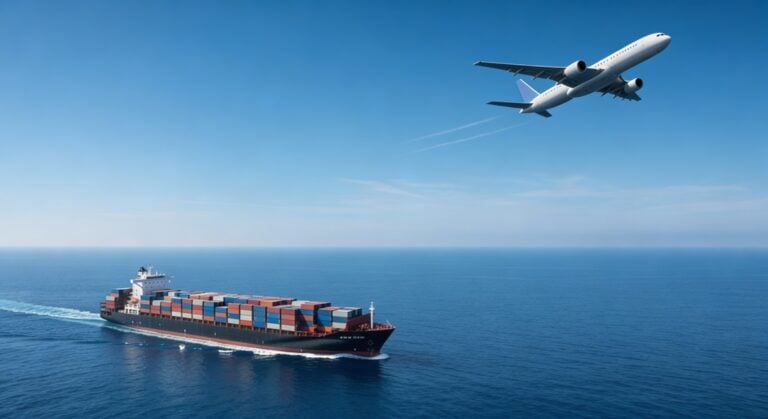
When you need to move freight internationally, choosing a shipping method can be as important as choosing when to ship. Air freight and ocean freight each offer distinct advantages, but the right option depends on your shipment’s needs.
For some businesses, getting cargo to its destination as quickly as possible is worth the additional cost of air freight. For others, the lower cost and greater capacity of ocean freight make more sense.
So, how do you determine which option is right for your shipment? Below, we’ll compare air freight vs. ocean freight and break down the key factors to consider when choosing a transportation mode.
This decision can also affect inventory planning, customer service, and the cost of keeping goods moving through the supply chain. Taking the time to evaluate those factors can help businesses make a more informed shipping decision for their freight.
Air Freight vs. Ocean Freight: What’s the Difference?
Air freight and ocean freight can both move international shipments, but each shipping method serves different transportation needs.
| Factor | Air Freight | Ocean Freight |
| Transit time | Faster | Longer |
| Cost | Generally higher | Generally lower |
| Shipment size | Often suited to smaller shipments | Well suited for larger shipments |
| Capacity | More limited | High capacity |
| Best for | Time-sensitive shipments | Larger, less time-sensitive shipments |
These are useful general guidelines for these shipping methods, not rigid rules. The actual costs and transit times for your shipment can vary based on the trade lane, shipment characteristics, available capacity, required service level, and the carriers available.
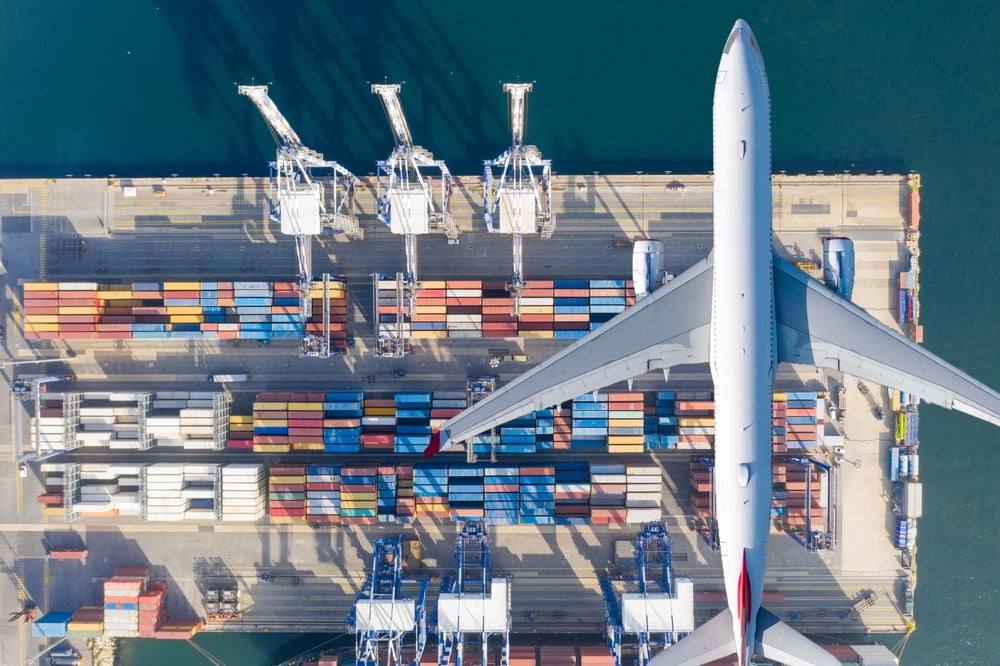
When Does Air Freight Make Sense?
Air freight is often a practical choice when getting a shipment to its destination quickly is more important than minimizing transportation costs.
Air freight may make sense when:
- Delivery deadlines are tight. A shipment may need to arrive quickly to meet a customer commitment, production schedule, or inventory requirement.
- The cargo is time-sensitive. Certain shipments have less flexibility because delays can disrupt operations or create missed opportunities.
- The shipment is relatively small. Smaller shipments are much more practical to move by air than larger ones, depending on their dimensions, destination, and service requirements.
- The cargo is high value. Businesses may be more willing to pay for faster transportation when the goods are more costly.
- The cost of waiting is high. A delay that causes a stockout, production interruption, or missed customer commitment can cost more than the additional transportation expense.
There’s no single weight limit that determines when air freight is the right choice. The shipment’s dimensions, destination, timeline, and available services all play a factor in choosing the best shipping method for your freight.
For many businesses, the important thing to consider is whether the increased speed is worth potentially higher costs.
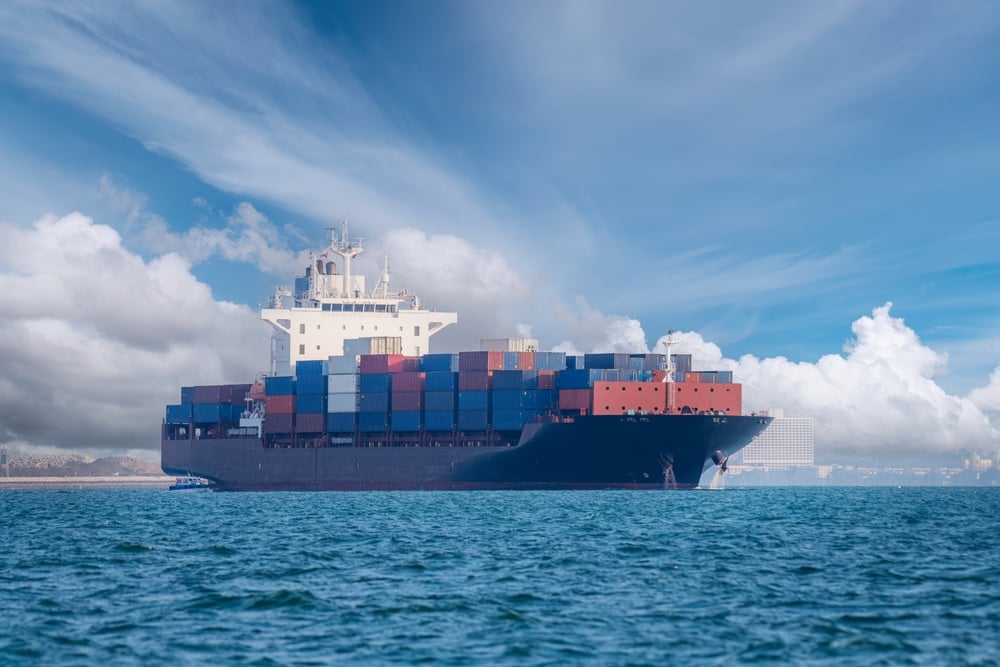
When Does Ocean Freight Make Sense?
For businesses moving larger shipments with more flexibility in their delivery timeline, ocean freight is often a practical choice.
Ocean freight may make sense for your shipment if:
- You’re moving large or heavy shipments. Ocean transportation can accommodate substantial volumes and is well suited to larger quantities of cargo.
- The delivery timeline is flexible. A longer transit time is easier to manage when the shipment does not have an immediate deadline.
- You ship regularly. Recurring orders can be planned around longer lead times instead of relying on expedited transportation.
- Controlling freight costs is important. Ocean freight is generally more economical for larger shipments than air freight.
- You can plan ahead. Advance planning gives businesses more time to account for longer transit and avoid turning a routine shipment into an urgent one.
Ocean freight can be particularly useful when businesses have more predictable inventory needs and enough lead time for a flexible transportation plan.
It’s important to keep in mind that a lower freight rate doesn’t automatically guarantee a lower cost overall. If a longer transit time creates inventory problems or other expenses, those factors should be considered as well when choosing a mode of transportation.

What to Consider When Choosing Between Air and Ocean Freight
Rather than defaulting to the same transportation mode or truckload option for every shipment, freight shippers should determine what each unique shipment requires.
1. Delivery Timetable
Compare the required delivery date with the available transit options. If a shipment can arrive later without disrupting warehouse operations or other parts of the business, paying more for speed may not be worth it.
On the other hand, if there’s a firm deadline, faster shipping methods like air freight may be worth considering.
2. Shipment Size and Weight
Consider your shipment’s weight, dimensions, volume, and usual frequency. A small, more urgent shipment may be better suited for air freight, while a large or heavy shipment would make more sense to move by ocean.
3. Total Shipping Cost
Freight rates are only one part of the equation. Inventory costs, potential delays, expedited transportation, and other expenses all play a role in determining just how much it will cost to get the shipment where it needs to go.
Paying a higher freight rate can sometimes make more financial sense if it prevents other fees or add-on costs. Likewise, paying for faster or more direct shipping may not be worthwhile when a shipment has plenty of time to arrive.
4. Consequences of Delays
Think beyond the delivery date. A freight delay could hold up production, create an inventory shortage, cause a missed customer commitment, or require the business to pay out of pocket for expedited transportation later.
The greater the consequences of a delay, the more important transit time becomes when making your decision.
5. Planning Flexibility
A shipment with a firm deadline requires a different approach than one that can be planned weeks or months in advance. Think about your inventory position, production schedule, customer requirements, and the ability to plan for future shipments before choosing a transportation mode.
Air Freight vs. Ocean Freight: How Do You Choose?
As a general guideline, consider air freight when speed is the priority and ocean freight when cost and capacity are more important.
Air freight may be the best option for your shipment if:
- Speed is critical.
- The shipment is relatively small.
- Cargo is time-sensitive or high value.
- Delays could create operational issues or financial consequences.
On the other hand, ocean freight may make more sense when:
- The shipment is large or heavy.
- There is more flexibility in the delivery timeline.
- Controlling freight costs is a priority.
- The shipment can be planned in advance.
These guidelines are a starting point, but freight shippers should still evaluate each specific shipment to see which mode of transportation is right for you. Transportation needs can change based on the cargo, customer requirements, inventory levels, deadlines, and current shipping conditions.
Get More From Your Freight Strategy with FLI
Choosing between air and ocean freight ultimately means finding the right balance between speed, cost, and the needs of the shipment. A transportation mode that makes sense for one order may not be the right fit for the next.
FLI Transportation & Logistics can help you evaluate your options based on your shipment requirements, compare rates and transit times, get support for freight claims, and coordinate the transportation process. Instead of defaulting to one mode of transportation, you can work with a team that understands the factors affecting your shipment and can help you find the best options.
Contact FLI today to discuss your next shipment and find the right freight solution for your business.